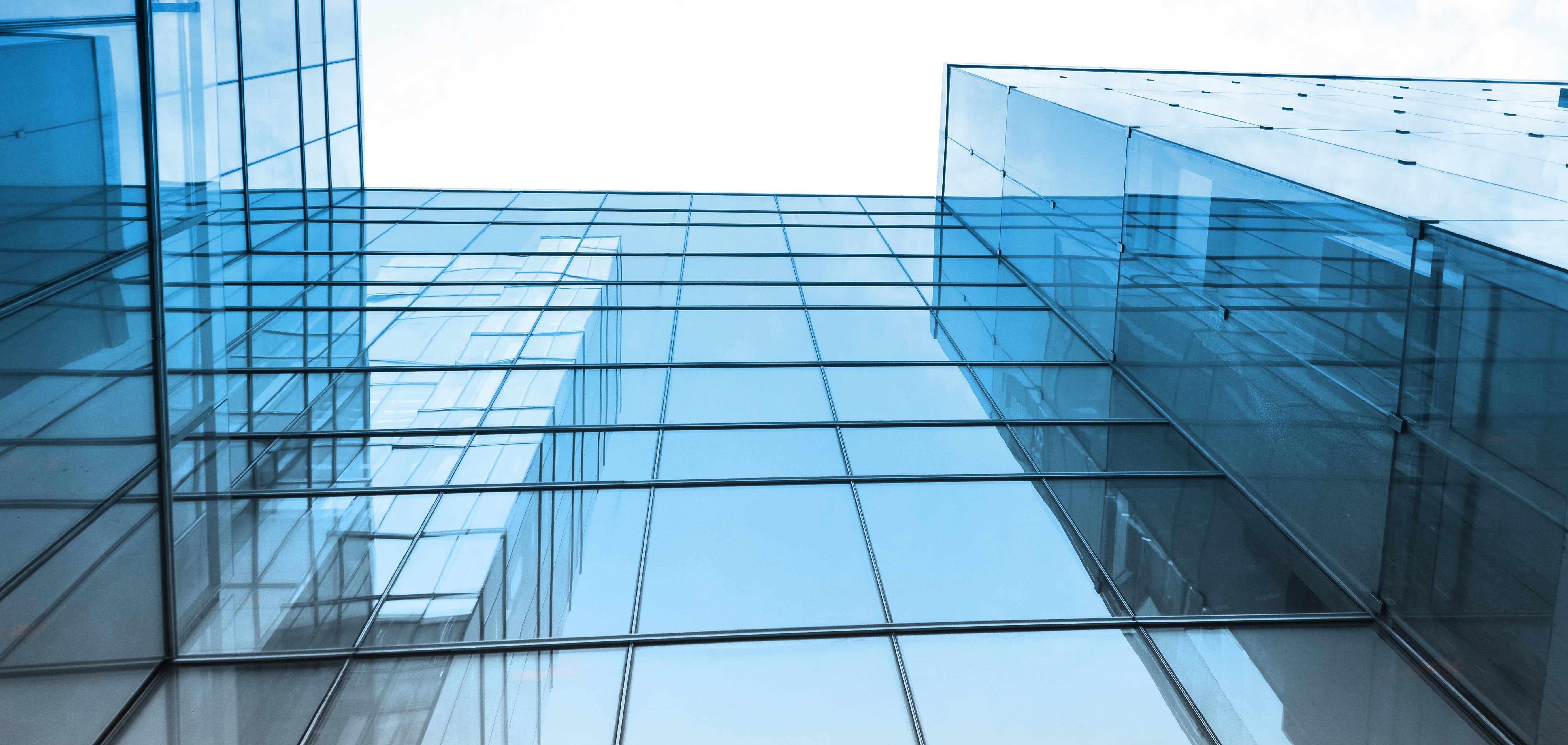
Architectural Glass Trends: Shaping Modern Commercial and Residential Spaces
16 February 2026
Architectural glass is no longer just a window to the world; it's a dynamic, high-performance material that defines aesthetics, enhances functionality, and drives sustainability in modern construction. From towering commercial skyscrapers to expansive residential homes, glass is undergoing a revolutionary transformation, moving beyond mere transparency to offer smart solutions, superior insulation, and unparalleled design flexibility. Understanding these evolving trends is crucial for architects, developers, and homeowners looking to create innovative, efficient, and visually stunning spaces.
The Evolution of Architectural Glass
The journey of architectural glass is one of continuous innovation, driven by advancements in material science, manufacturing processes, and a growing demand for performance and aesthetic excellence.
From Basic Glazing to Advanced Systems
Historically, glass served primarily as a transparent barrier against the elements. Early forms offered limited insulation and strength. Today, however, architectural glass encompasses a vast array of specialized products, including insulated glazing units (IGUs), laminated safety glass, tinted glass, and coated glass, each engineered for specific performance characteristics. This evolution has empowered designers to push boundaries, creating structures that are lighter, brighter, and more energy efficient.
Driving Factors Behind Current Trends
Several key drivers are propelling the current trends in architectural glass:
- Sustainability and Energy Efficiency: The urgent need to reduce energy consumption and carbon footprints in buildings.
- Aesthetics and Design Freedom: The desire for minimalist designs, expansive views, and unique architectural statements.
- Technological Advancements: Innovations in coatings, smart materials, and structural systems.
- Health and Well-being: Recognition of the positive impact of natural light and outdoor connections on occupants.
- Security and Durability: Demand for glass that offers enhanced protection against impacts, noise, and intrusions.
Key Trends in Commercial Architectural Glass
Commercial projects, with their often-grand scale and public visibility, are at the forefront of adopting cutting-edge glass technologies.
Large-Format and Seamless Glazing
The pursuit of uninterrupted views and abundant natural light has led to a surge in large-format glass panels and seamless glazing systems. This trend minimizes visual obstructions, creating a sense of openness and connection to the exterior, highly valued in office buildings, retail spaces, and hospitality venues.
Smart Glass (Dynamic Glazing)
Smart glass, also known as dynamic or switchable glass, is a gamechanger. Technologies like electrochromic, thermochromic, and photochromic glass allow for on-demand control over light, glare, and privacy. In commercial settings, this translates to:
- Energy Savings: Reducing the need for artificial lighting and HVAC by dynamically managing solar heat gain.
- Occupant Comfort: Allowing users to optimize natural light and minimize glare.
- Enhanced Privacy: Instantaneously switching from transparent to opaque for meeting rooms or private offices.
High-Performance and Energy-Efficient Glass
With stringent energy codes and a focus on green building certifications (e.g., LEED), high-performance glass is paramount. This includes:
- Low-E (Low-Emissivity) Coatings: Reflecting infrared light to keep heat in during winter and out during summer.
- Insulated Glass Units (IGUs): Multiple panes of glass separated by inert gas (like argon) to improve thermal insulation.
- Solar Control Glass: Designed to minimize solar heat gain while maximizing visible light transmission.
Structural Glazing and Glass Fins
Structural glazing systems, where glass is directly attached to the building structure without traditional frames, offer a sleek, minimalist aesthetic. Glass fins are increasingly used as structural elements, providing support while maintaining transparency and enhancing the building's visual lightness. This allows for breathtaking, all-glass facades.
Decorative and Textured Glass
Beyond performance, glass is also being utilized for aesthetic impact. Decorative and textured glass, including fritted, sandblasted, etched, or digitally printed glass, adds visual interest, branding elements, and varying degrees of privacy, often seen in lobbies, interior partitions, and retail storefronts.
Emerging Trends in Residential Architectural Glass
Residential architecture is rapidly adopting many of the innovations seen in commercial projects, adapting them for home environments to enhance comfort, aesthetics, and energy efficiency.
Maximizing Natural Light and Views
Homeowners are increasingly prioritizing natural light and expansive views. This translates to:
- Oversized Windows and Sliding Doors: Creating seamless transitions between indoor and outdoor living spaces.
- Glass Walls and Corner Glazing: Offering panoramic vistas and a sense of openness.
- Clerestory Windows and Skylights: Bringing light deep into the home's interior.
Privacy-On-Demand
The desire for open layouts often conflicts with the need for privacy. Switchable smart glass is gaining traction in residential applications for:
- Bathrooms and Bedrooms: Offering instant privacy without the need for blinds or curtains.
- Home Offices: Creating flexible spaces that can be open or private as needed.
- Interior Partitions: Allowing for dynamic control of light and visual connection between rooms.
Enhanced Security and Durability
Safety and security are paramount for homeowners. Trends include:
- Laminated Glass: Two or more panes bonded with an interlayer, making it shatter-resistant and difficult to penetrate.
- Tempered Glass: Heat-treated for increased strength, shattering into small, blunt pieces if broken.
- Hurricane-Resistant Glass: Engineered to withstand extreme weather conditions, crucial in vulnerable regions.
Aesthetic Integration
Residential glass trends emphasize seamless integration with the home's overall design:
- Frameless Glass Systems: For showers, balustrades, and interior doors, creating a clean, modern look.
- Colored and Tinted Glass Accents: Adding subtle design elements or managing solar gain in specific areas.
- Minimalist Window Frames: Often slim-profile aluminum or wood clad, reducing visual bulk.
Energy Efficiency for Homes
Just like commercial buildings, residential properties benefit immensely from energy-efficient glass:
- Low-E Coatings and Argon-Filled IGUs: Significantly reducing heating and cooling costs, improving indoor comfort.
- Passive House Standards: Driving the adoption of ultra-high-performance glazing for minimal energy consumption.
- Solar Shading Solutions: Integrated into window systems to manage direct sunlight.
The Intersection of Commercial and Residential Trends
Many of the underlying principles driving glass innovation are universal, creating a compelling overlap between commercial and residential applications.
Sustainability and Green Building
Both sectors share a commitment to reducing environmental impact. Energy-efficient glazing, local sourcing, and the use of recyclable materials are common goals, contributing to healthier, more sustainable built environments.
Technology Integration
The smart home and smart building movements are converging. Glass that integrates with building management systems, offering automated control of light, temperature, and privacy, is becoming increasingly sophisticated in both large commercial complexes and individual residences.
Architectural glass is shaping the future of buildings worldwide. Whether it’s energy-efficient facades, smart windows, or decorative features, the innovations driving this industry deserve global attention. Don’t miss the chance to highlight your products, connect with architects, developers, and buyers, and position your brand as a leader, reserve your stand at IGMS today: https://glass-show.com/book-your-stand